
Memory
2 min
At What Age Can You Develop Alzheimer's Disease?
Alzheimer's disease is a neurodegenerative disease that can affect individuals at different ages, but it mainly manifests itself in two forms: early-onset and late-onset.
Read More
By studying 40,000 English and French patients, we identified 10 warning signs of Alzheimer's disease, some of which appear up to 15 years before the onset of the disease.
Read
Alzheimer's disease is a neurodegenerative disease that can affect individuals at different ages, but it mainly manifests itself in two forms: early-onset and late-onset.

Cognitive stimulation games and brain stimulation have become valuable tools for scientific research

Alzheimer's disease (AD) is a complex pathology whose onset can be influenced by genetic factors. Although genetics is not the only determinant of this disease, some genes play a crucial role in...

Memory disorders can profoundly affect quality of life, and it is crucial to consult the right specialists to obtain an accurate diagnosis and appropriate treatment.

Clinical trials are an essential step in the development of new medical treatments

A neuropsychologist is a psychologist specialized in the evaluation of brain functions. After extensive university studies, generally 8 years after the baccalaureate, he is trained to understand...

Memory is one of the most complex and fascinating cognitive functions of the human mind. It is defined as the ability to encode, store and retrieve information

Memory problems can be a concern, and knowing when to see a neurologist is essential for a thorough evaluation. Here’s everything you need to know to determine if a neurological consultation is...

Being diagnosed with early-onset Alzheimer’s can be a deeply unsettling and confusing experience. While Alzheimer’s is often associated with old age, early-onset Alzheimer’s can occur in younger...

Dr. Joanne Pike, President of the Alzheimer’s Association, shared an inspiring vision for the future of the fight against Alzheimer’s disease, which directly concerns all those affected by this...

There are indeed hereditary forms of Alzheimer's, often associated with early onset (diagnosed before age 65)

Life expectancy after a diagnosis of AD can vary significantly. On average, it is between 3 and 10 years, but some patients can live up to 20 years after diagnosis.

Moments of forgetfulness and confusion affect many people, raising legitimate questions. Faced with these concerns, it is important to remember that it is completely normal to face moments of forgetfulness in everyday life

Alzheimer's disease, often feared for its devastating effects on memory and cognitive function, has long been difficult to diagnose in an early and accessible way.

Clinical trials are essential studies carried out to evaluate the efficacy and safety of new treatments, be they drugs, medical devices or new surgical procedures.

While some aspects of memory can indeed change with age, it’s crucial to distinguish between what’s normal and what’s not

Organization is key to managing memory problems. Often, memory disorders involve difficulties remembering to do things at a specific time in the future, rather than remembering past events.

High blood pressure can impact the brain and cognitive functions.

For people aged 55 to 80, who may be struggling with cognitive impairment or memory problems, participating in these studies can offer unique opportunities
Aging is a natural part of life. It can be rich in experiences and discoveries, but it also brings its share of changes, whether physical, emotional, social or cognitive.
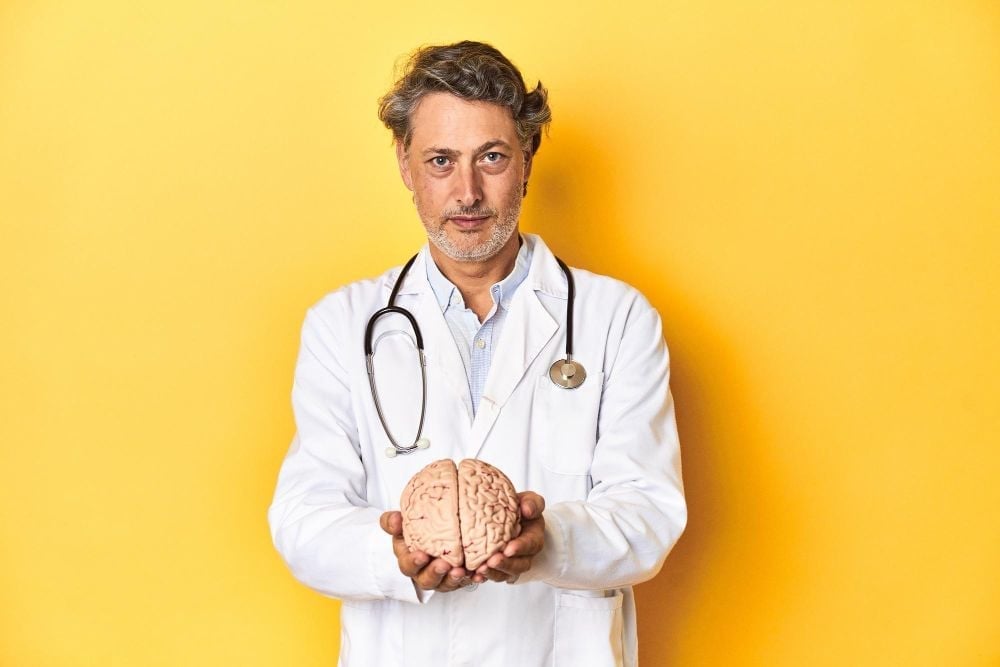
It is important to have tests done to understand the origin of memory problems and to get the appropriate treatment.

Memory is a cognitive function that is essential to our daily lives. As we age, it is normal to notice some changes in our ability to retain and recall information.

Meditation, practiced for thousands of years, is growing in popularity in the modern world due to its many mental and physical health benefits. Among these benefits, improving memory is at the...

Sleep is a fundamental part of our physical and mental well-being, but its crucial role in cognitive health, and in particular in memory, is often underestimated.

We will examine the most common causes of memory problems and cognitive troubles

Depression can profoundly impact our cognitive abilities, such as concentration, memory, and mental clarity